
Ocean Climate Solutions
Stories and conversations on
marine carbon removal
The ocean needs our help.
Climate change is damaging our environment, with some of the worst impacts occurring in rivers and oceans. Water is becoming more acidic because of CO₂ emissions. We need to reduce greenhouse gases — and quickly — but that won’t be enough. We also have to clean up the ‘legacy’ greenhouse gas pollution already in the atmosphere.
There is a way to reduce acidification of the sea, while also safely absorbing carbon from the sky.
It goes by a few names: marine carbon dioxide removal, ocean alkalinity enhancement, and ocean-based climate solutions. It’s a method which adds alkaline minerals to water to neutralize acidity and enhance the ocean’s natural ability to absorb and store carbon dioxide from the atmosphere. It accelerates a geological process called rock weathering, which has naturally regulated the Earth’s carbon cycle for millennia.
Adding alkalinity to the ocean converts dissolved CO₂ in seawater into stable bicarbonates and carbonates that last for tens of thousands of years. As CO₂ in surface waters is transformed into these natural deposits, additional atmospheric CO₂ is pulled back into the oceans to reestablish equilibrium.
Learn more by reading our stories on ocean climate solutions and listening to a special edition of the Cautious Climate Optimist Podcast.
These stories are supported by the Carbon to Sea Initiative, the Marine Environmental Observation, Prediction and Response Network (MEOPAR), and Planetary Technologies.
Scattering light
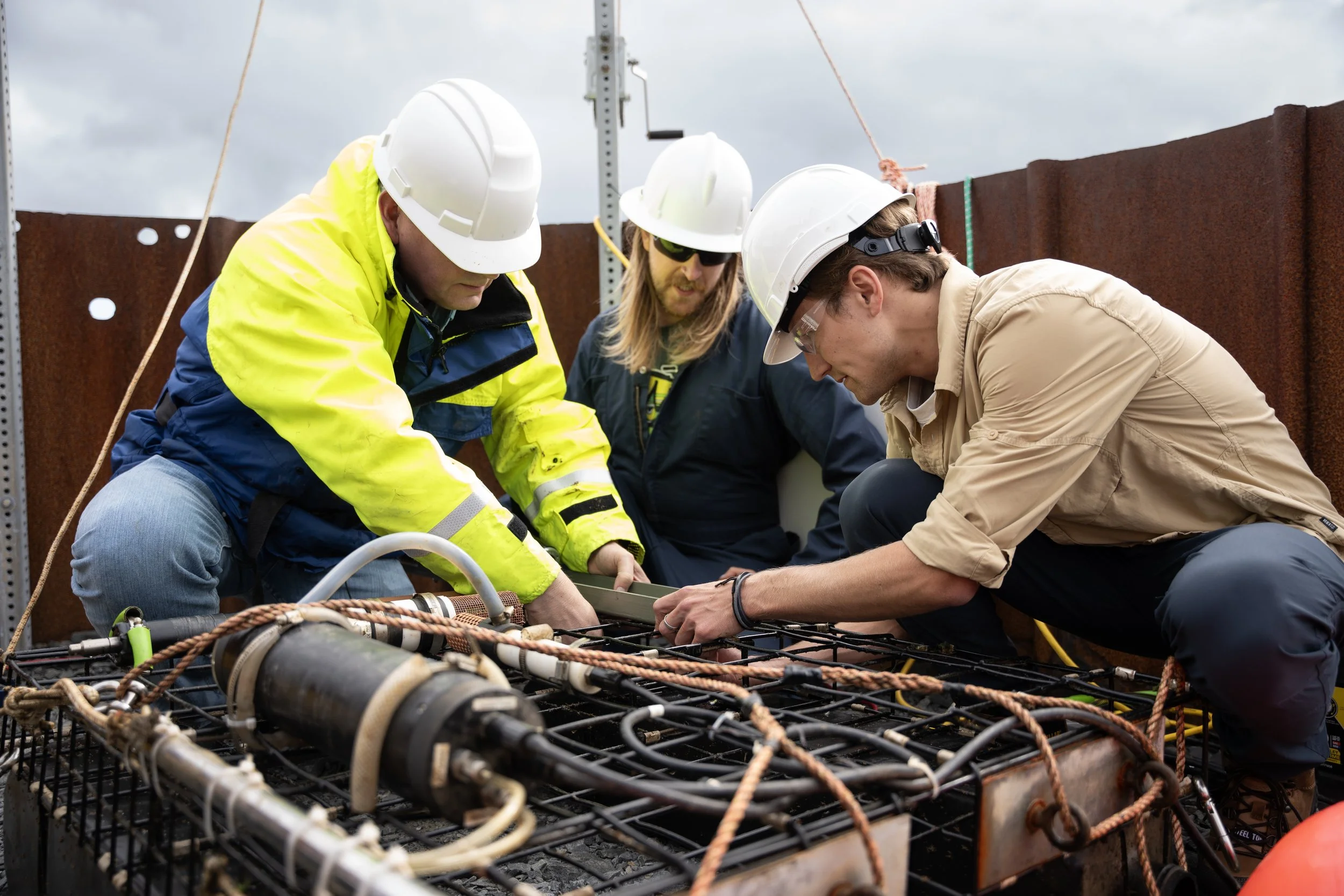
Sequoia Scientific’s laser sensors help monitor ocean alkalinity enhancement efforts.
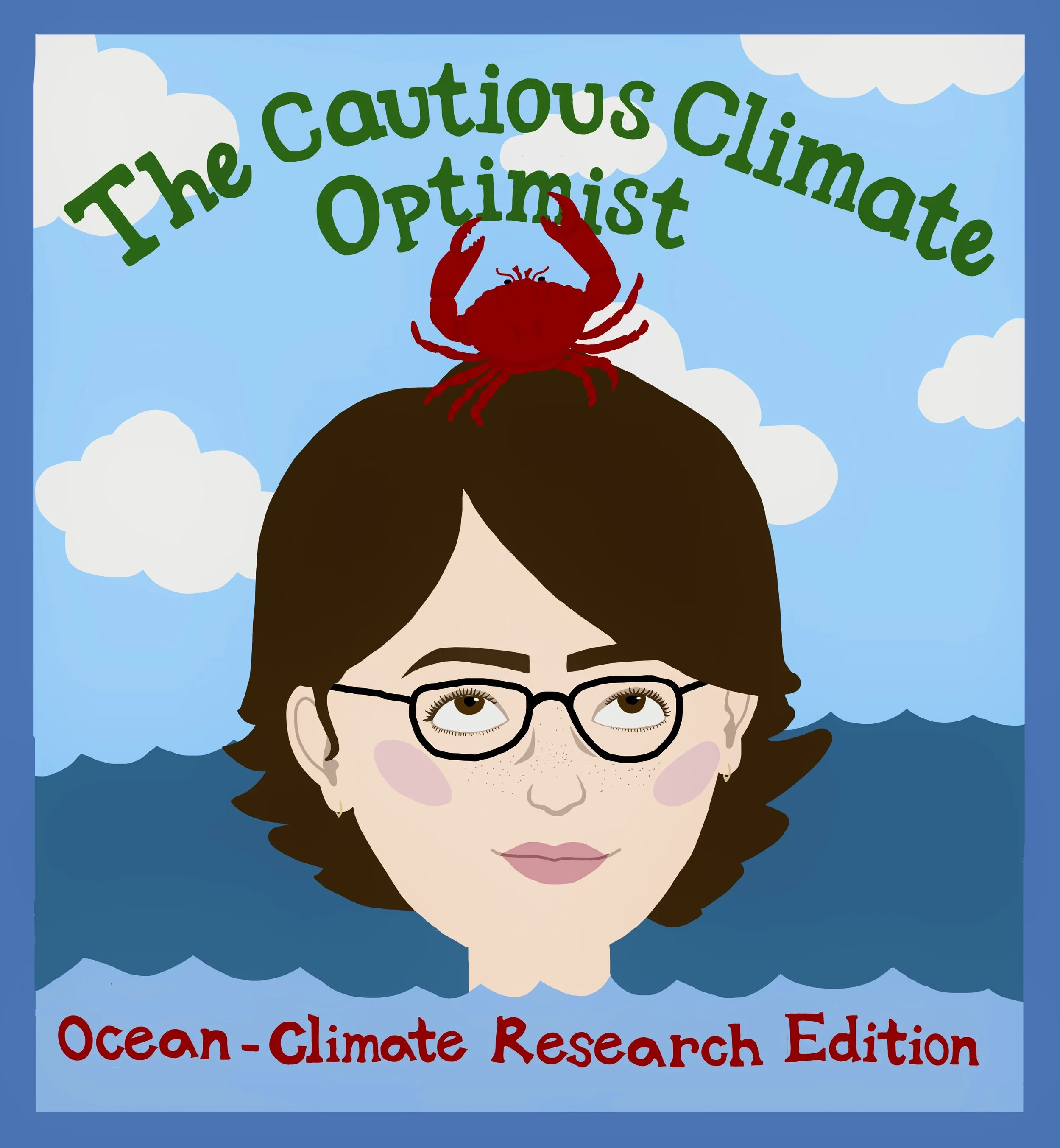
PODCAST Ocean-climate research series episode three: Jamie Snook, Executive Director of MEOPAR
In this third episode of our six-part series focusing on ocean-climate research, and more specifically, Ocean Alkalinity Enhancement (OAE), I have a digital sit-down with Jamie Snook, Executive Director of MEOPAR - a Canadian non-profit ocean research funding agency. He’s a transplanted Labradorian (new to Halifax) with a healthy dose of OAE optimism (measured with a normal amount of climate anxiety) and a varied resume that includes a term as mayor of Happy Valley/Goose Bay, and much more. Tune in to get a better sense of this lovely, interesting person steering the ship over at MEOPAR.
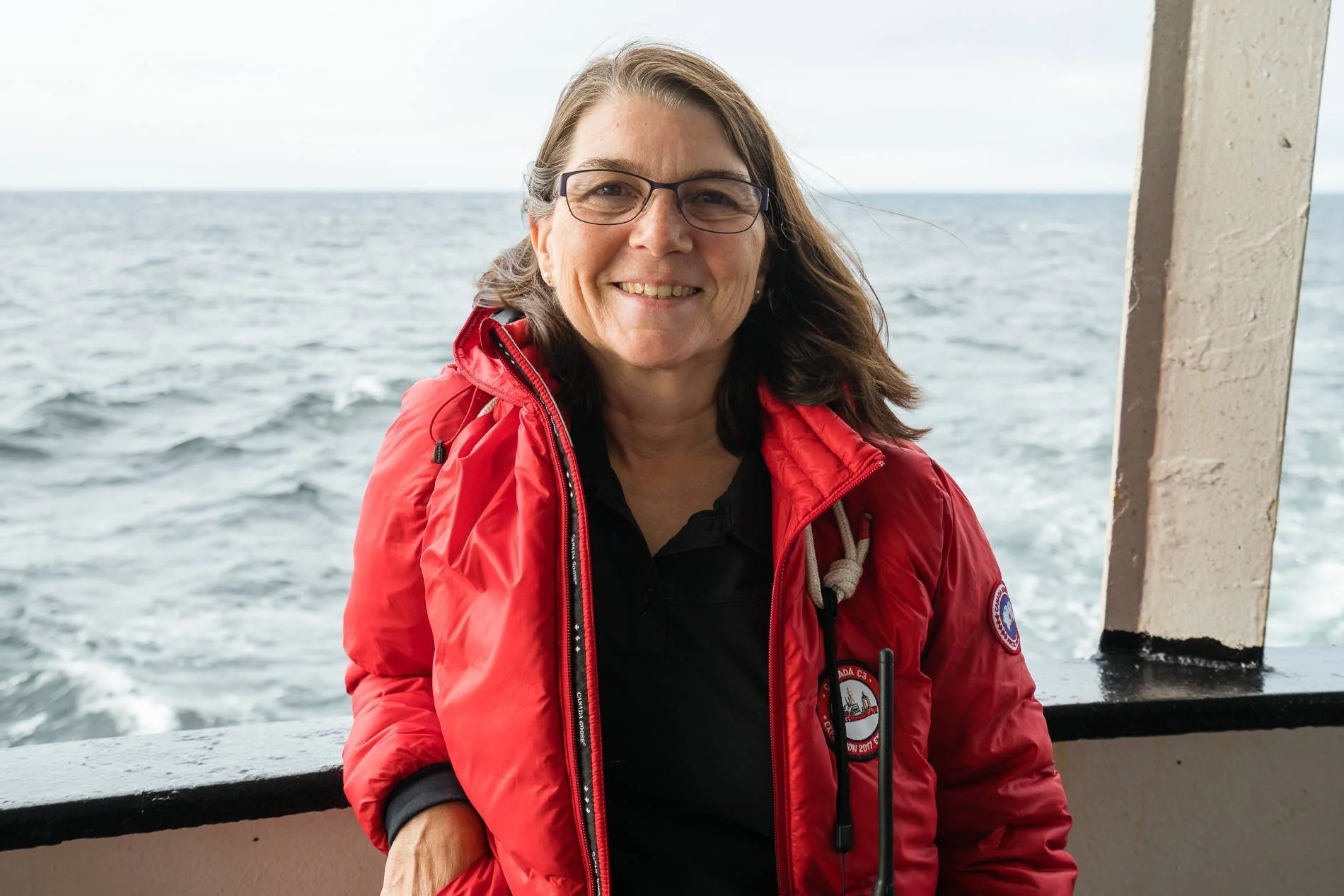
A balancing act: a chat with marine biologist, Dr. Julie LaRoche
PROFILE: Marine biologist, Julie LaRoche, finds beauty in the ocean’s tiniest inhabitants and, through her OAE research, is working to ensure they stay as happy and healthy as possible under her watch.
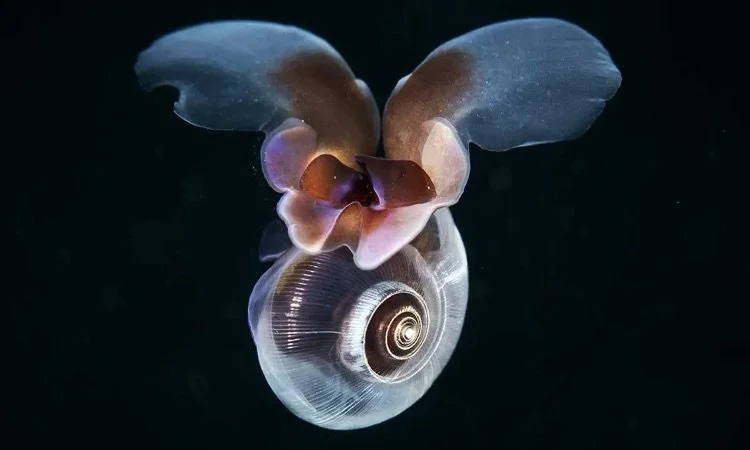
The acid test
How are river- and ocean-dwelling creatures closer to the bottom of the biological rung experiencing increased ocean and river acidification as a result of climate change? And how do they seem to be responding to 'antacid' treatments to help right the pH balance?
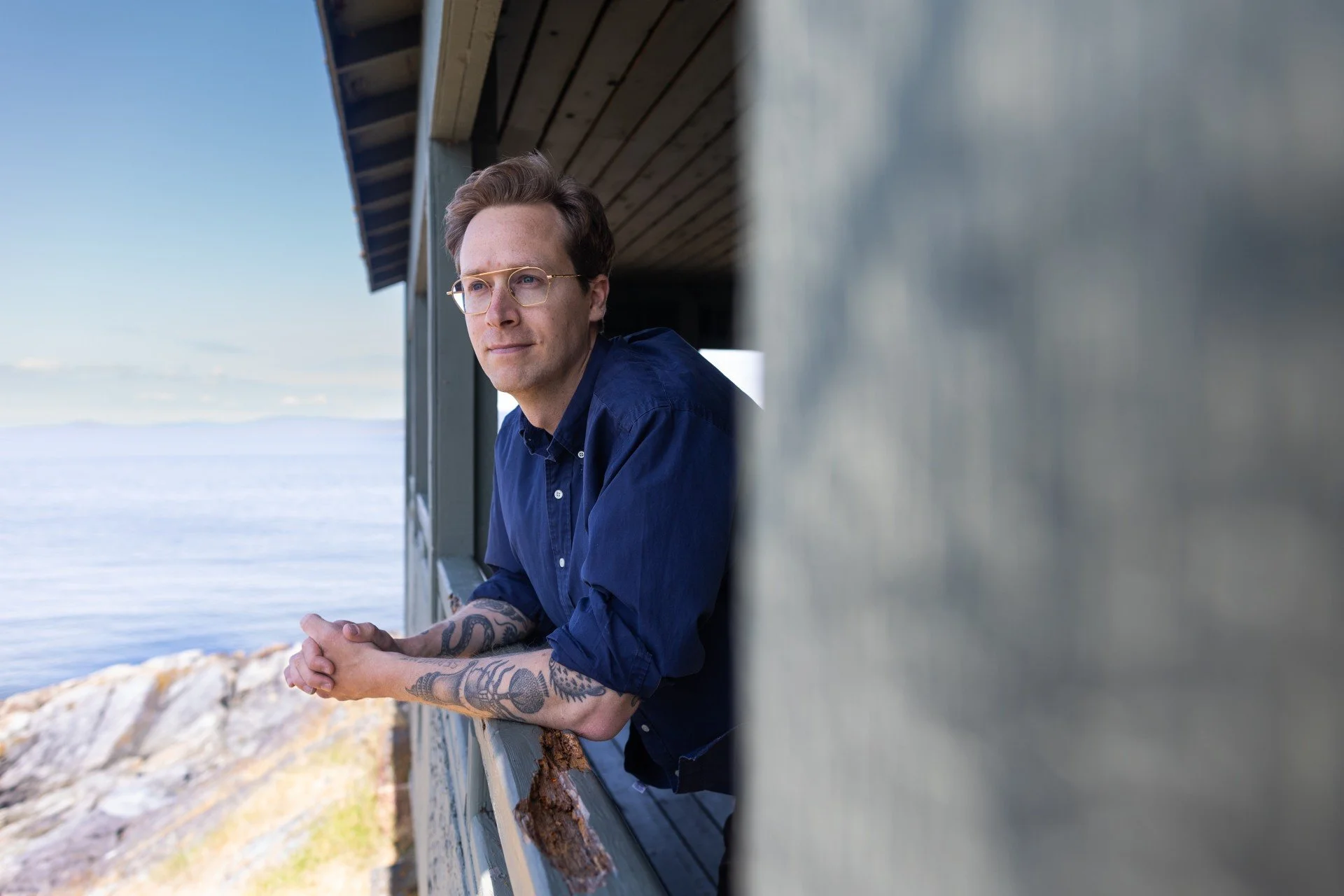
Getting the ocean bug: Meet Carbon to Sea Canada’s Kohen Bauer
PROFILE: Carbon to Sea Canada’s Senior Manager of Research and Technology lives and breathes all things ocean, and he’s got the tattoos to prove it.
PODCAST Ocean-climate research series episode two: Mike Kelland - CEO/Co-founder of Planetary Technologies
In this second episode of our six-part series focusing on ocean-climate research, and more specifically, Ocean Alkalinity Enhancement (OAE), I have a great chat with the very Canadian (an authentically nice guy who loves all things canoe) Mike Kelland, CEO and Co-founder of Halifax's Planetary Technologies. They're lucky to have Mike at the helm over there at Planetary. A true cautious climate optimist, he's a perfect fit for both our show and the fight ahead of him (and all of us) as we work to find solutions to get us out of this mess we call climate change.
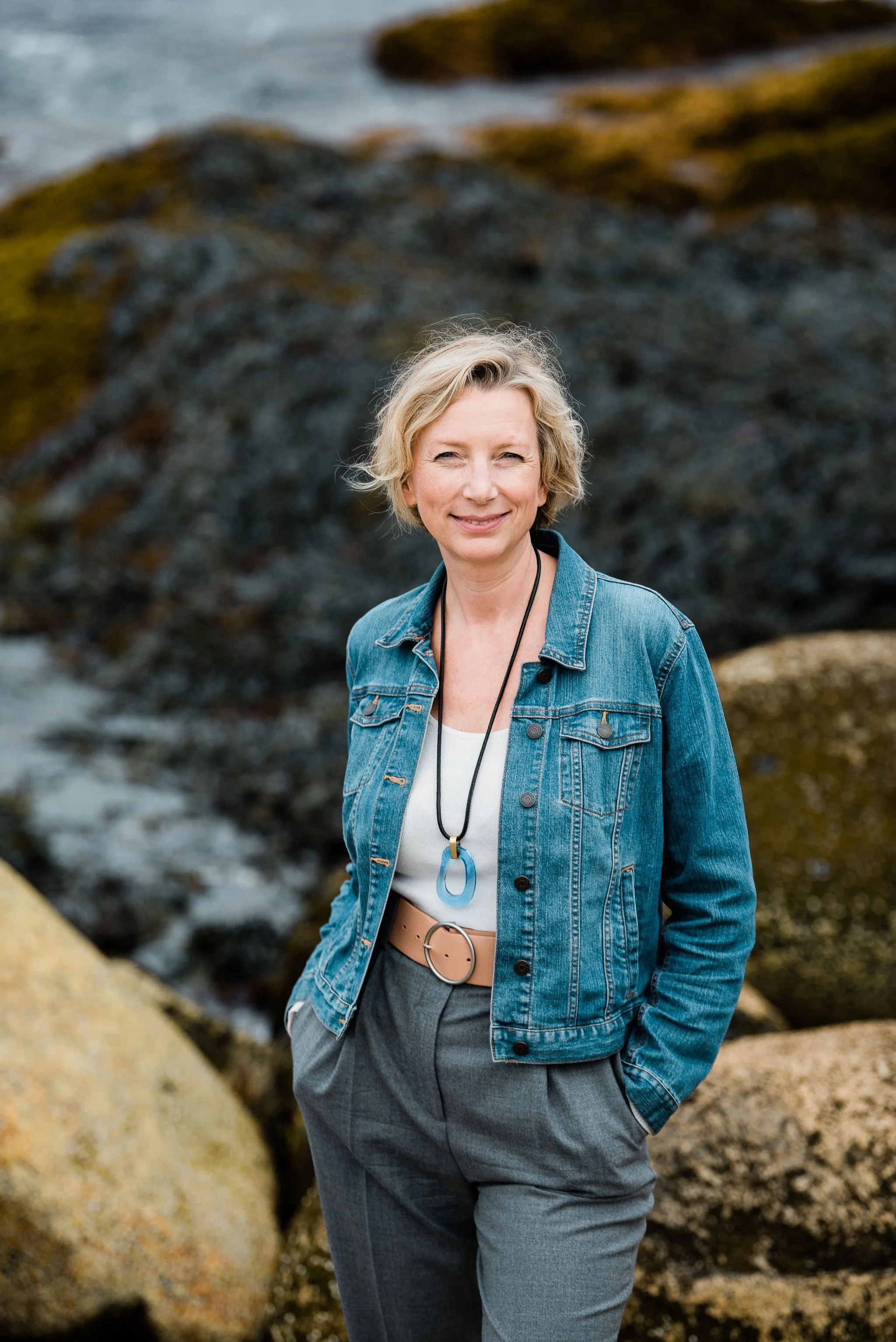
A change of heart: A chat with Dalhousie’s Dr. Katja Fennel
PROFILE: Dalhousie professor and Ocean Alkalinity Enhancement researcher, Katja Fennel talks about both the challenges and the possibilities inherent in the science and how she went from skeptic to supporter.
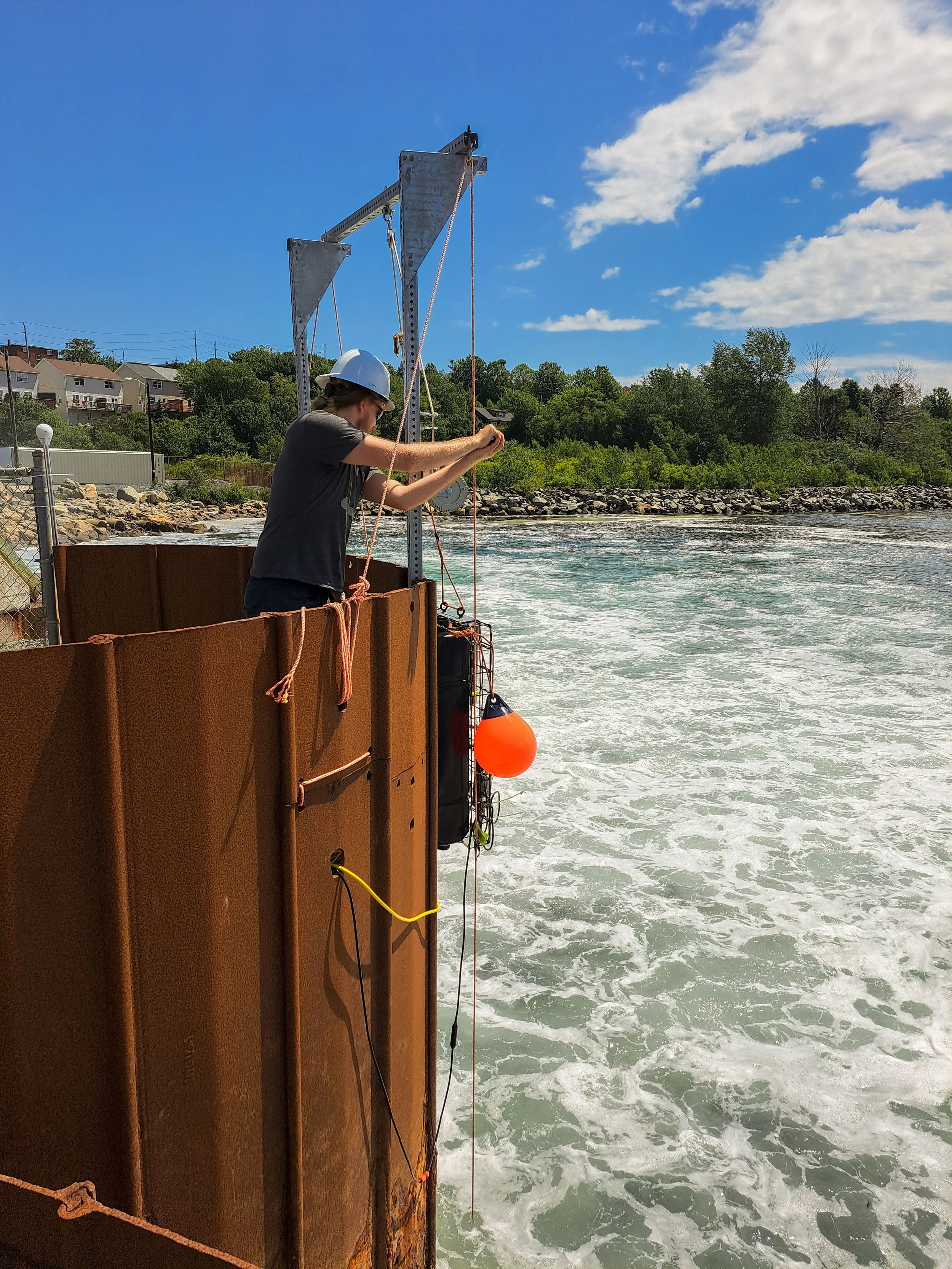
Another kind of power
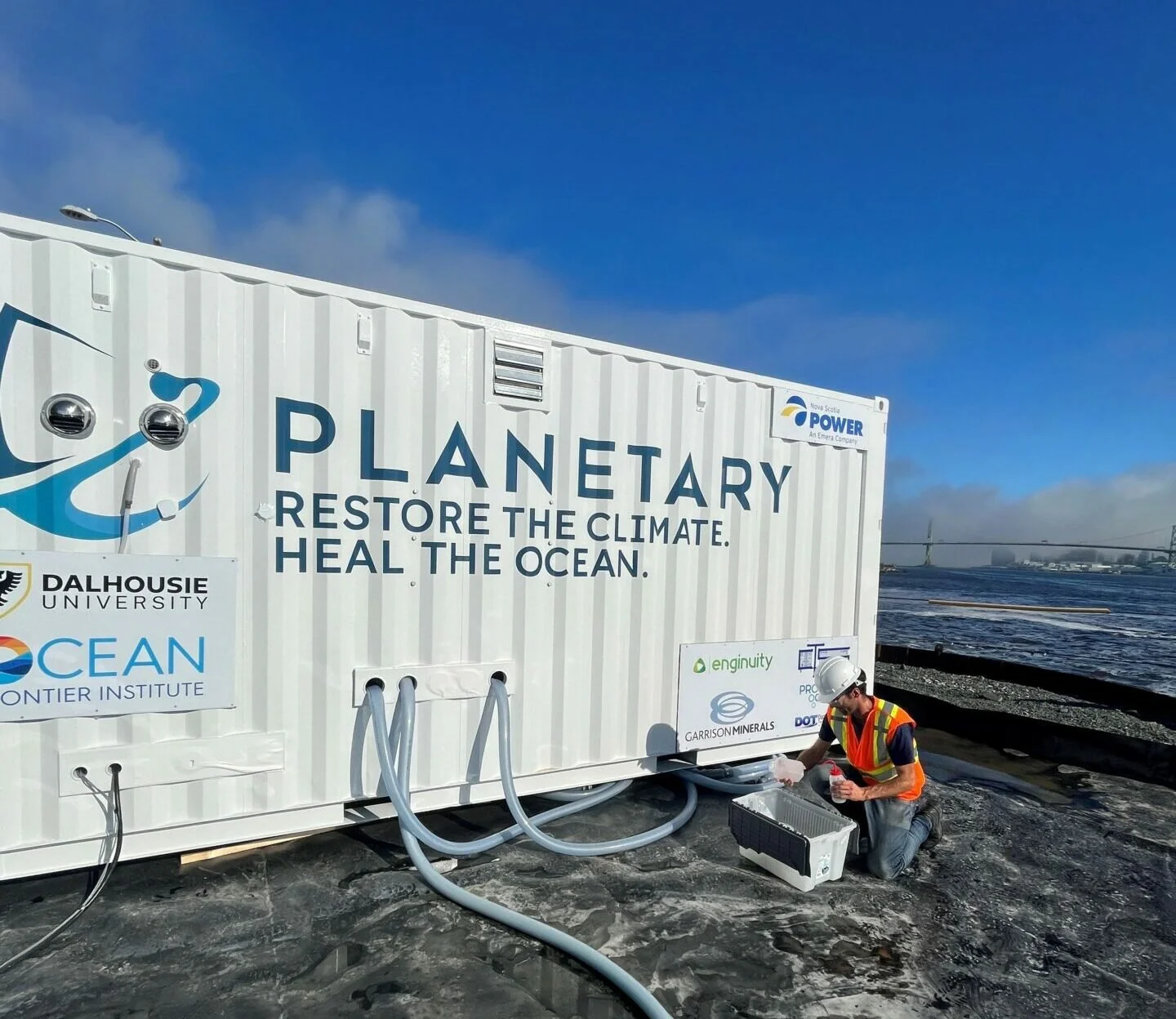
Halifax-based Planetary Technologies is leading the charge on ocean alkalinity research by boosting the ocean’s ability to help us fight climate change, putting both Halifax and Nova Scotia on the map in terms of world leadership in this promising new scientific arena.
PODCAST Ocean-climate research series episode one: Miriam Zitner from Carbon to Sea Canada
In this first episode of our six-part series focusing on ocean-climate research, we connect with Miriam Zitner, of Carbon to Sea Canada, who walks us through what's new in the field of Ocean Alkalinity Enhancement (OAE), which is, in a roundabout way, a method whereby we help oceans (and in some cases, rivers) increase their ability to help us fight climate change by lowering the acidity of the water to be able to absorb even more CO2 from the atmosphere. Confused yet? Sound more like science fiction than reality? Think again...and listen in. Miriam will explain all.
Giving credit
Taking a look at the potentially game-changing carbon credit market for researchers and companies working in the field of Ocean and River Alkalinity Enhancement — a crucial piece of the carbon removal puzzle.
Rivers to the Rescue
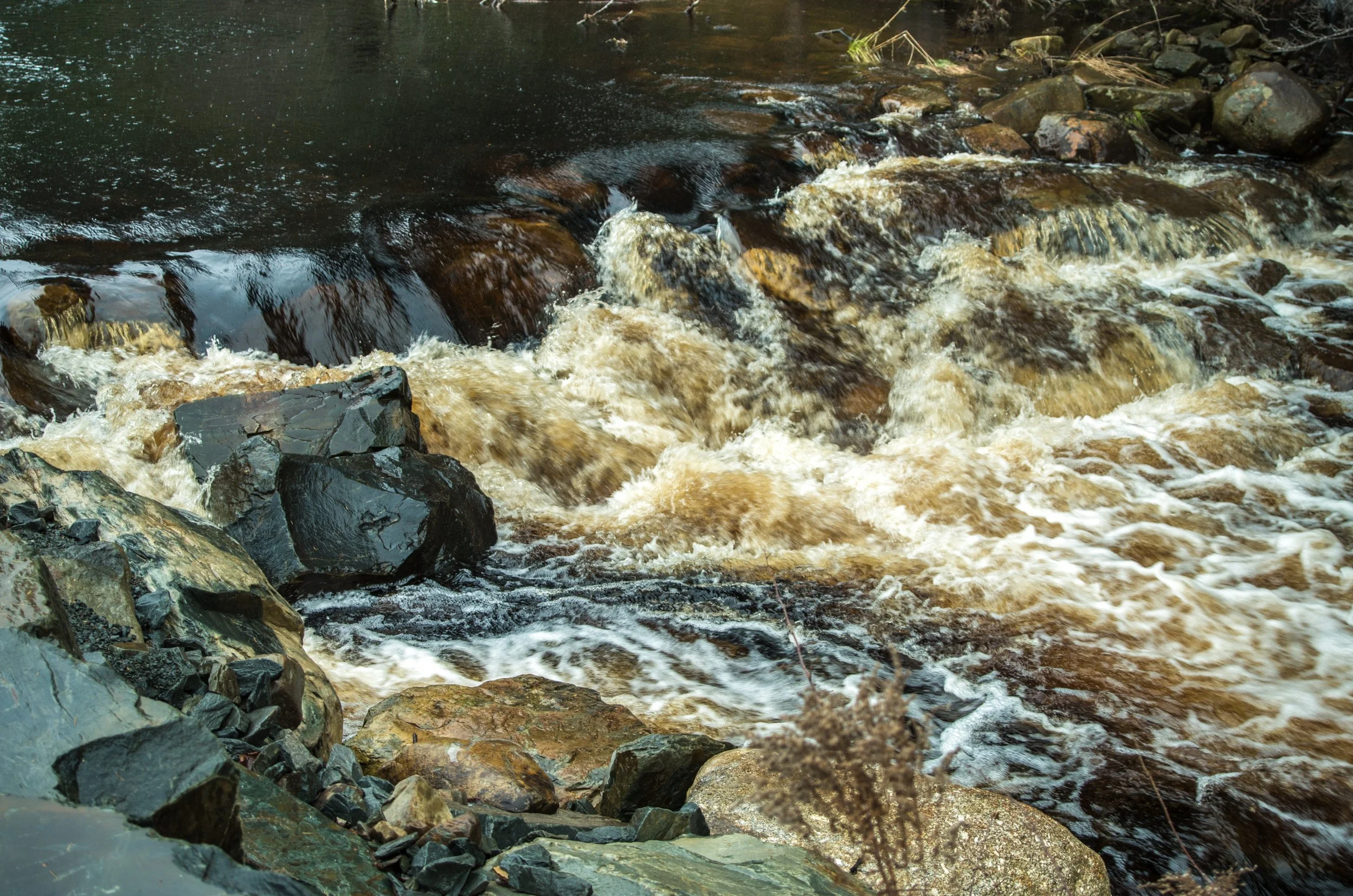
Given half the chance, nature can not only rebound but, in some cases, do the heavy lifting in our fight against climate change. That’s exactly what two water quality researchers discovered while working to improve the health of the West River in Pictou County, Nova Scotia.